

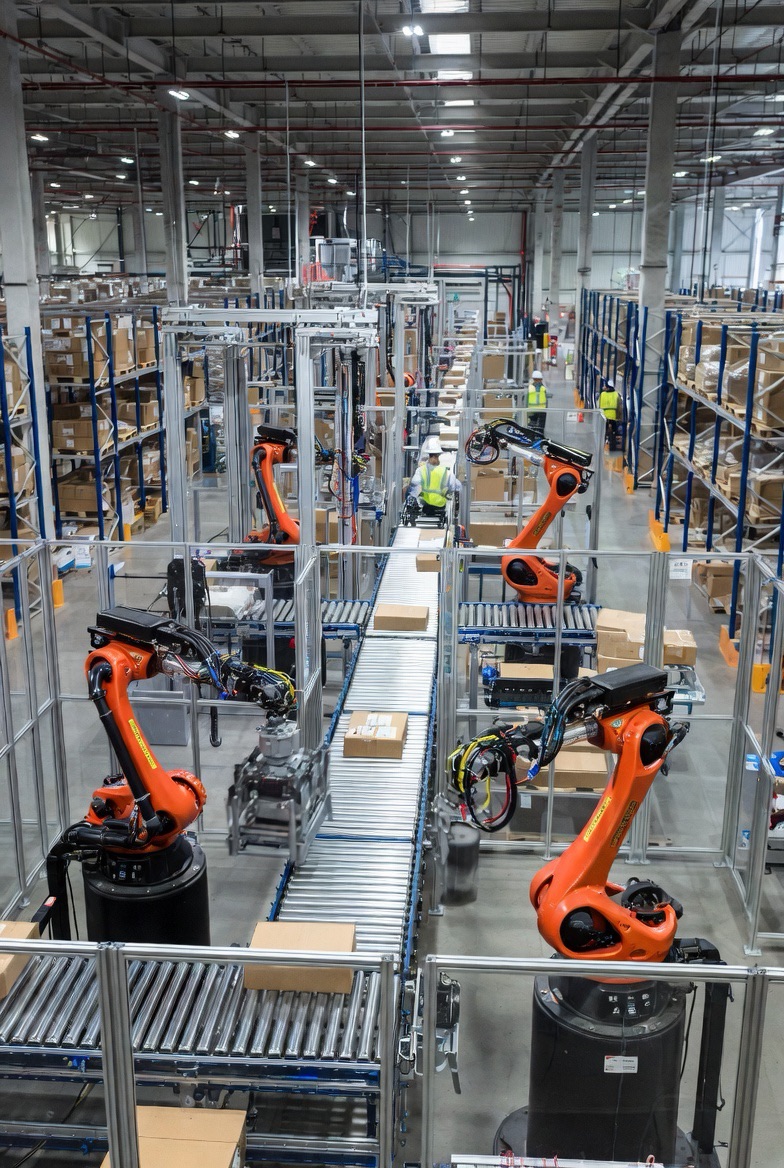
Automation is transforming cold chain warehouses at a rapid pace. But the real transformation isn’t in machines or systems — it’s in how people and technology work together, and how teams are prepared for this shift.
In cold chain operations, where environments are demanding and margins for error are small, automation only delivers real value when employees are skilled, confident, and safe. At Indicold, we see upskilling not as a response to automation, but as the foundation that makes automation work responsibly.
Automation Changes Roles — Upskilling Strengthens Them
As automated storage systems, intelligent material movement, and digital controls become central to warehouse operations, physically intensive and repetitive tasks are reducing. In their place, roles are evolving toward system monitoring, coordination, maintenance support, and informed decision-making.
Upskilling ensures this transition strengthens people rather than unsettling them. When employees understand the systems they work with, they are better equipped to operate them safely, identify risks early, and take ownership of outcomes.
Safety Is Built Through Skill, Not Supervision Alone
Cold chain work comes with inherent challenges — extreme temperatures, heavy loads, repetitive motion, and fatigue. Automation reduces many of these risks, but only when people are trained to work confidently alongside machines.
Upskilling improves safety by:
• Minimising manual handling and physical strain
• Reducing prolonged exposure to sub-zero environments
• Increasing awareness of automated movement and safety zones
• Enabling quicker, more informed responses to alerts and exceptions
As skills improve, safety becomes proactive — embedded into everyday operations rather than managed after incidents occur.
From Manual Effort to System Stewardship
In automated cold chain warehouses, safety training goes beyond PPE and rulebooks. Employees are trained to understand system behaviour, emergency protocols, and digital alerts.
This shift transforms roles from task execution to system stewardship — where people don’t just do the work but,actively safeguard the systems that support it.
Protecting Health Today, Building Capability for Tomorrow
Automation paired with upskilling has a lasting impact on worker health and well-being. Reduced physical exertion lowers the risk of injury. Limited cold exposure helps prevent fatigue and cold stress. Clear, predictable workflows reduce mental strain.
At the same time, new skills create pathways for growth — from operational roles to technical and supervisory responsibilities. Safety and capability grow together.
Designing Safety Into the System
At Indicold, automation is guided by a simple principle: technology must make work safer, not harder. Facilities are designed so machines handle the harshest tasks, while people operate in more controlled, safer environments.
Upskilling is continuous and practical, closely tied to real operations — ensuring that safety, efficiency, and accountability move forward together.
Looking Ahead
The future of cold chain warehousing will be automated. But its success will depend on people. Organisations that invest in upskilling will build safer operations, stronger teams, and more resilient supply chains.
Because a future-ready cold supply chain isn’t defined by how advanced the technology is —
but by how well people are prepared to work with it.