

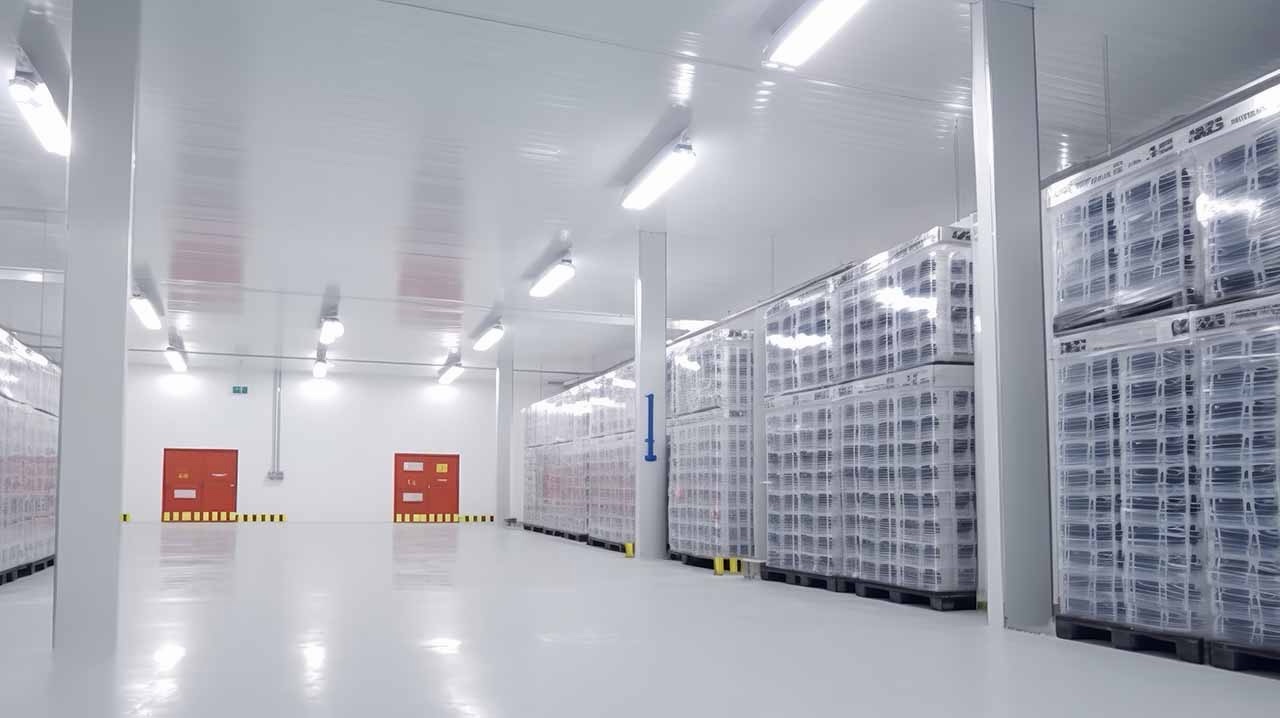
As we move into 2026, the cold chain is entering a more decisive phase of its evolution. The conversation is no longer just about adding capacity or expanding footprints. It’s about how thoughtfully we build, how reliably we operate, and how responsibly we grow.
At Indicold, we see 2026 not as a distant future, but as a continuation of choices we are already making today — choices around technology, sustainability, people, and trust.
From Cold Storage to Cold Chain Intelligence
One of the clearest shifts shaping 2026 is the move from static cold storage to intelligent, responsive cold chains. Real-time temperature visibility, predictive alerts, and data-backed decision-making are becoming fundamental.
The focus is shifting from reacting to failures to preventing them altogether — protecting product integrity while strengthening confidence across the supply chain.
Efficiency and Sustainability Go Hand in Hand
Energy efficiency is no longer a cost conversation alone — it’s a responsibility. Rising energy costs, environmental expectations, and regulatory scrutiny are pushing the industry to rethink how cold facilities are designed and operated.
Better insulation, low-GWP refrigerants, automation that reduces energy loss, and smarter layouts are no longer “nice to have.” In 2026, efficient operations will define resilient businesses.
Automation With Purpose
Automation continues to play a larger role, but the emphasis is changing. It’s not automation for speed alone — it’s automation for accuracy, consistency, and safety.
Automated storage and retrieval systems, data-driven inventory management, and process-led workflows help reduce handling errors, minimise temperature exposure, and improve predictability — all of which matter deeply in temperature-sensitive supply chains.
Flexibility Will Separate the Future-Ready from the Fragile
Demand patterns are becoming more dynamic — from food service and QSRs to pharma and emerging D2C models. The cold chain of 2026 needs to be scalable, modular, and adaptable, not rigid.
Facilities and systems that can respond to changing volumes, product mixes, and customer requirements will be the ones that remain relevant.
Technology Works Only When People Do
Even as systems get smarter, people remain central. Skilled teams, strong SOPs, continuous training, and a culture of ownership are what turn infrastructure into performance.
In 2026, success will belong to organisations that balance smart technology with empowered people — where processes are clear, accountability is shared, and learning is continuous.
Reliability Is the Real Differentiator
As products move closer to the consumer, the margin for error shrinks. Whether it’s food, vaccines, or critical raw materials, the cold chain’s role in preserving quality until the last mile has never been more important.
Trust, built quietly through consistency and discipline, will continue to be the strongest differentiator.
Looking Ahead
For Indicold, 2026 is about building a future-ready, sustainable cold supply chain — one that combines automation with care, scale with responsibility, and growth with long-term thinking.
Because the future of the cold chain isn’t just about being bigger or faster.
It’s about being smarter, steadier, and worthy of trust.